
01What Is A Lipoma?
A lipoma is a soft, rubbery lump of fat cells that grows slowly just under the skin. It usually moves slightly when pressed and is typically painless. Lipomas are very common, can appear at any age, and most often show up on the neck, shoulders, back, arms and thighs.
Lipomas are almost always benign (non-cancerous). However, any new lump should be examined by a doctor to confirm what it is before deciding on treatment.
02Signs & Symptoms
- A soft, doughy lump just under the skin
- Moves easily with light finger pressure
- Usually smaller than 5 cm, though some grow larger
- Generally painless, but can be tender if it presses on nerves
- Grows slowly over months or years
See a doctor promptly if a lump is hard, fixed, growing quickly, painful or larger than 5 cm.
03What Causes Lipomas?
The exact cause isn't fully understood, but several factors increase the chance of developing lipomas:
- Family history — lipomas often run in families
- Age — most common between 40 and 60
- Certain genetic conditions that cause multiple lipomas
- Sometimes, after an injury to the area
04When Should A Lipoma Be Removed?
Many lipomas can simply be monitored. Removal is usually recommended when the lump:
- Is growing or becoming noticeable
- Causes discomfort, pain or pressure
- Rubs on clothing or straps
- Affects your confidence or appearance
- Needs to be examined to confirm the diagnosis
05How Is A Lipoma Diagnosed?
Your doctor examines the lump, asks how long it has been there and whether it has changed. Most lipomas can be diagnosed by examination alone. If anything looks unusual, an ultrasound or other test may be advised before removal.
06Removal Techniques
Surgical Excision
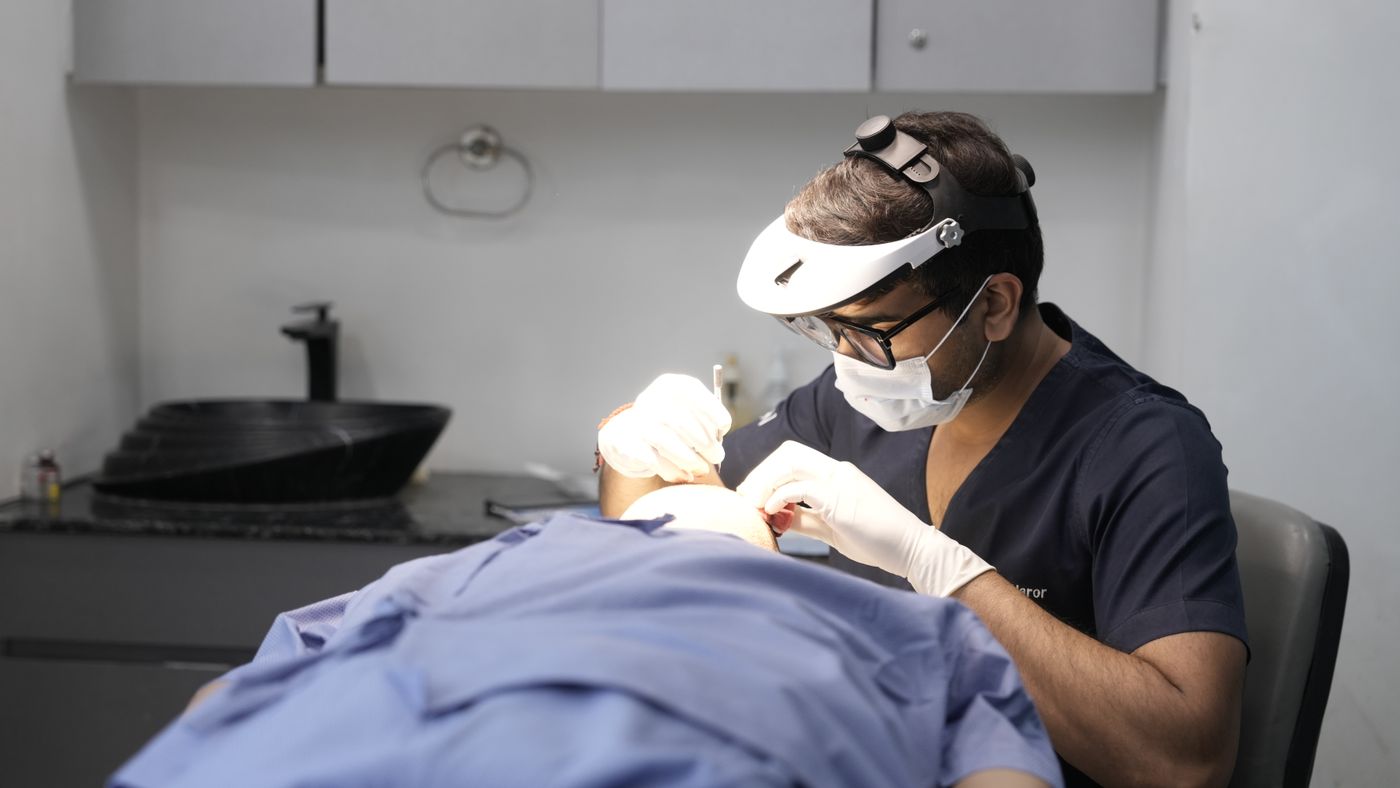
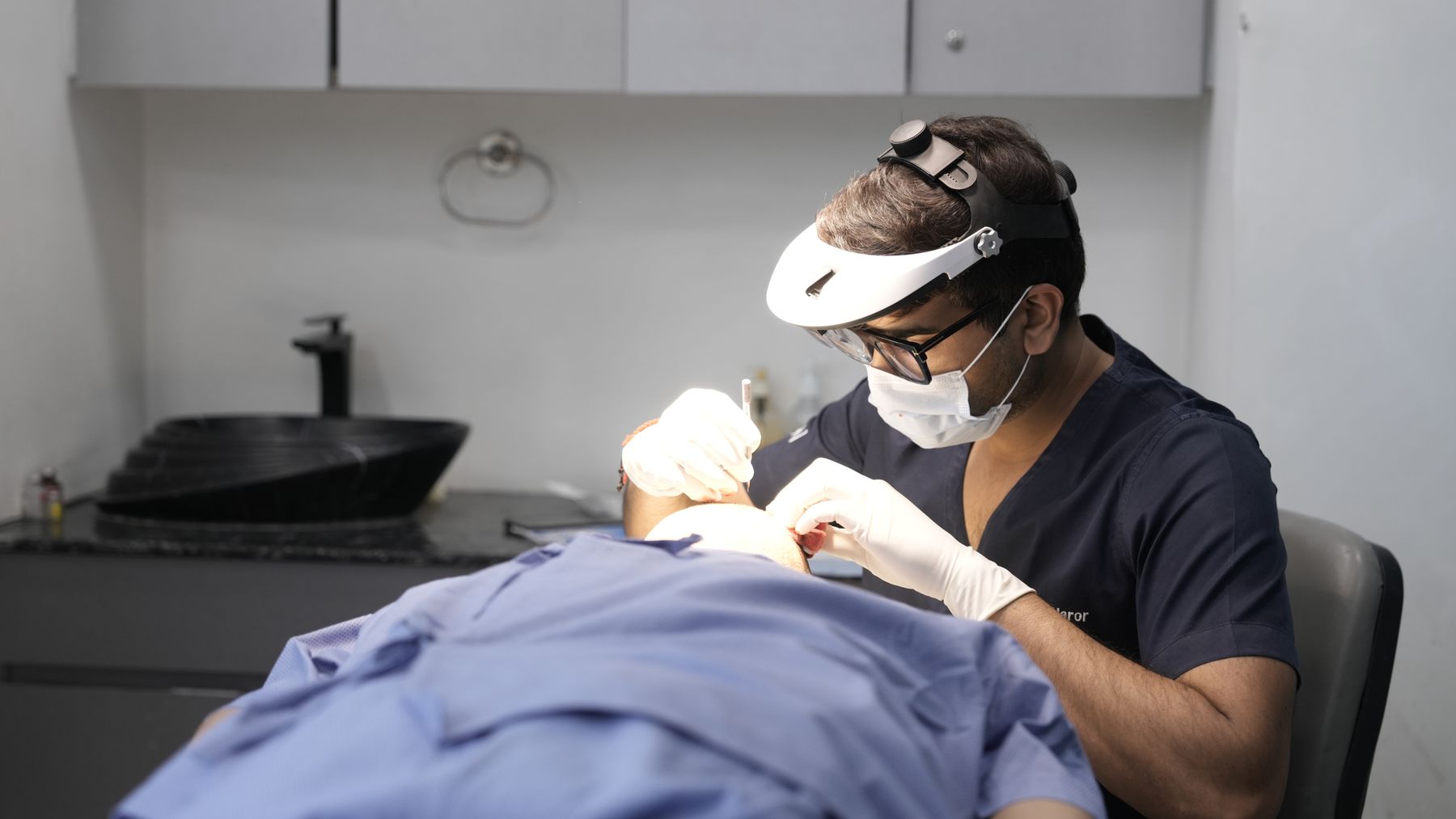
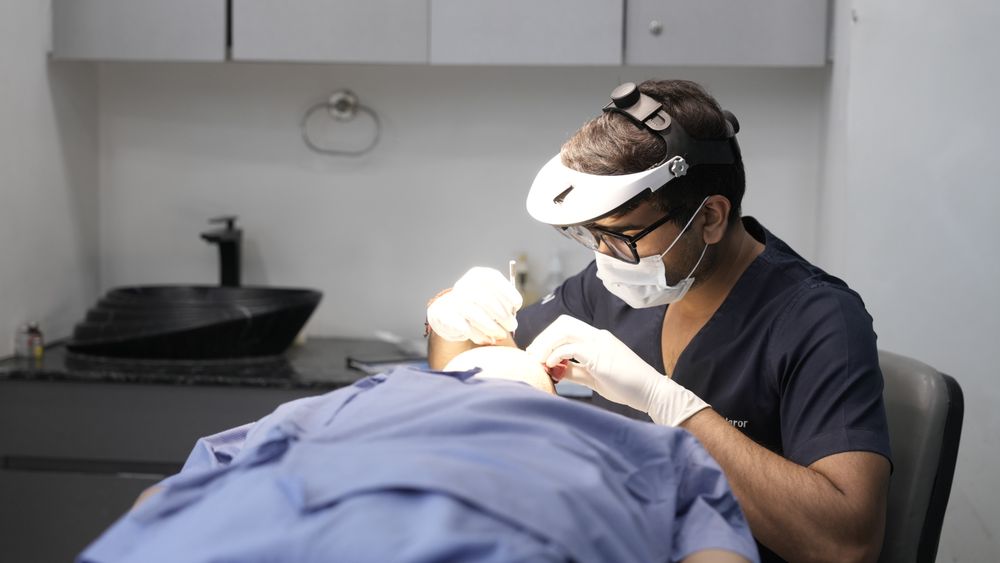
The standard method. A small incision is made over the lump and the lipoma is removed whole, which lowers the chance of it returning.
Minimal-Incision Technique
For smaller lipomas, a smaller cut may be used to keep the scar as discreet as possible.
Local Anaesthesia
The area is numbed so you stay awake and comfortable, with no need for general anaesthesia.
Neat Closure
The wound is closed with fine stitches and dressed, focusing on the best possible cosmetic result.
07Recovery Timeline
You go home the same day with a dressing. Mild soreness is normal once numbing wears off.
Keep the wound clean and dry; avoid heavy lifting and strenuous exercise.
Stitches are reviewed or removed depending on the location.
The scar gradually softens and fades.
08Risks & Safety
- A small scar at the incision site
- Temporary bruising or swelling
- Rarely, infection — reduced by sterile technique and aftercare
- Rarely, recurrence if any lipoma tissue remains
09Myths vs Facts
Lipomas turn into cancer.
Lipomas are benign and very rarely change. A doctor's check rules out other types of lump.
Exercise or diet can remove a lipoma.
Lipomas are not affected by weight loss in the same way as normal fat.
Removal always leaves a big scar.
Careful technique keeps the scar small and neat, and it fades over time.
You need general anaesthesia.
Most lipomas are removed under local anaesthesia while you stay awake and comfortable.
10Why Choose Premier Skin Studio In Multan?
We examine every lump carefully, explain your options honestly, and perform removal under strict sterile conditions with attention to a neat, discreet scar — followed by clear aftercare and a follow-up visit.
11Final Thoughts
A lipoma is usually harmless, but you don't have to live with a lump that bothers you. A quick, safe procedure under local anaesthesia can remove it with minimal scarring. Book a consultation and our doctor will examine the lump and explain your options.